
3M Double-Sided Tape 4492
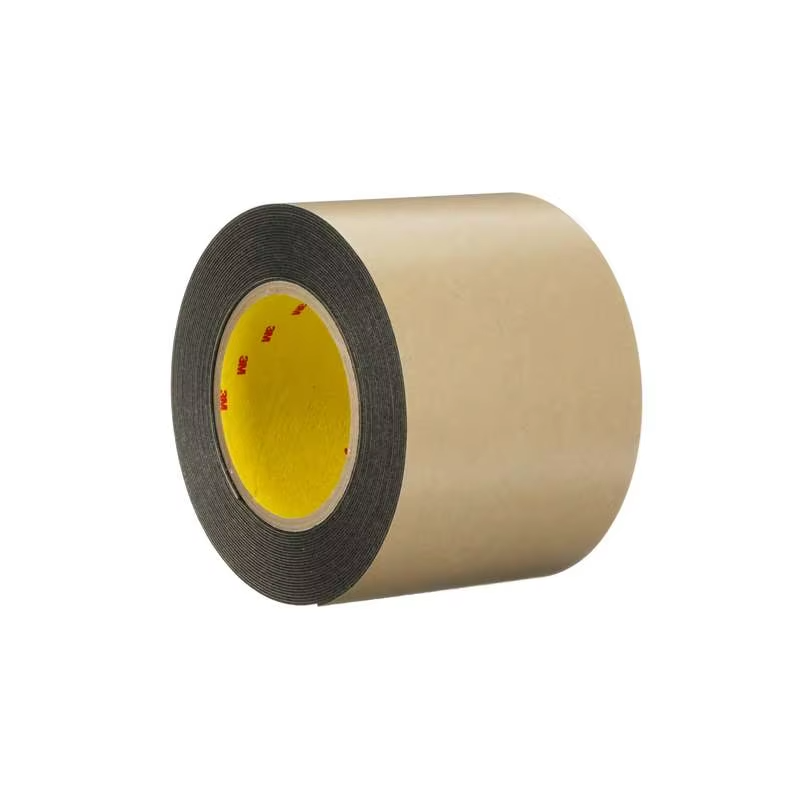
3M™ 4492 Black Polyethylene Foam Double-Sided Tape, available in black or white, is a closed-cell polyethylene foam tape.
It is formulated for more demanding indoor and outdoor mounting and bonding applications. One of the key features of 4492
foam tape is its conformability and ability to bond to irregular surfaces. It offers good temperature resistance and durability.
Flexible Foam Tape for Irregular Surfaces
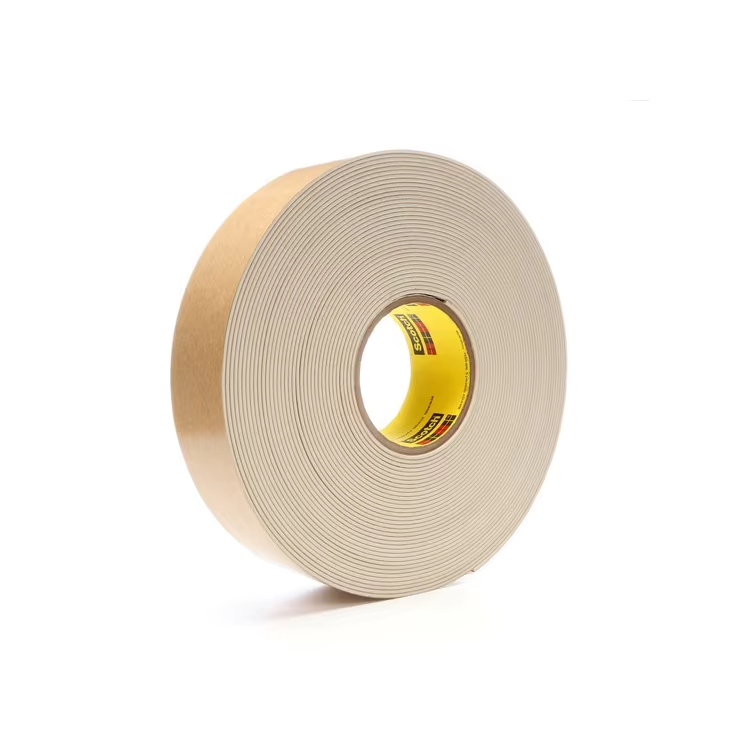
Speed up your installation process and achieve aesthetically pleasing bonds with 3M™ Polyethylene Foam Double-Sided Tape 4492 (white).
This 1/32-inch thick polyethylene foam tape offers strong adhesion and reliable performance on many surfaces. One of its key features is
its conformability to irregular substrates. It provides high ultimate adhesion to many plastics and is formulated for demanding general-purpose
indoor and outdoor mounting and bonding applications. Common uses include automotive mirror bonding, decorative trim, signage, and
other general mounting applications.
Recommended Applications
General indoor mounting and bonding
Automotive mirror bonding
Decorative trim
Signage mounting
Point-of-purchase displays and signage
Advantages of Double-Sided Tape
3M double-sided tapes help you quickly install applications and provide strength and aesthetics.
Compared to mechanical fasteners such as screws, bolts, and rivets, double-sided tape leaves no puncture holes.
Our tapes are easy to apply manually or with an applicator, providing a strong bond without the need for special application equipment.
Definition of Double-Sided Tape
Generally, double-sided tape consists of a foam, paper, film, or other substrate coated on both sides with a pressure-sensitive adhesive.
The adhesive is protected by a removable release liner that can be removed or left in place before surface bonding.
Double-sided tape is commonly used in construction, assembly, artwork, and personal hobbies. For rough or irregular surfaces,
3M™ double-sided foam tapes can fill gaps and evenly distribute stress across the bonding area.